


Solana Foundation Executive Highlights Tokenization and DTC Connectivity at Breakpoint
Nick Ducoff said Solana is positioning itself as infrastructure for tokenized real-world assets, pointing to institutional activity from JPMorgan, BNY, BlackRock and the Depository Trust & Clearing Corporation.
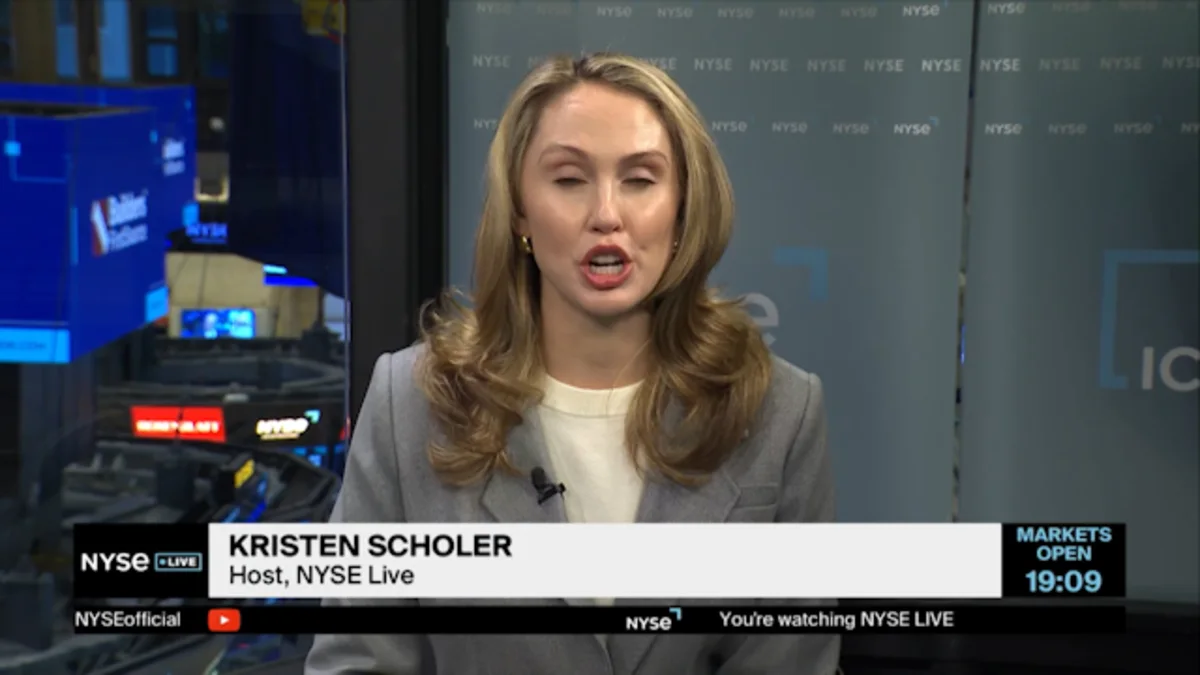
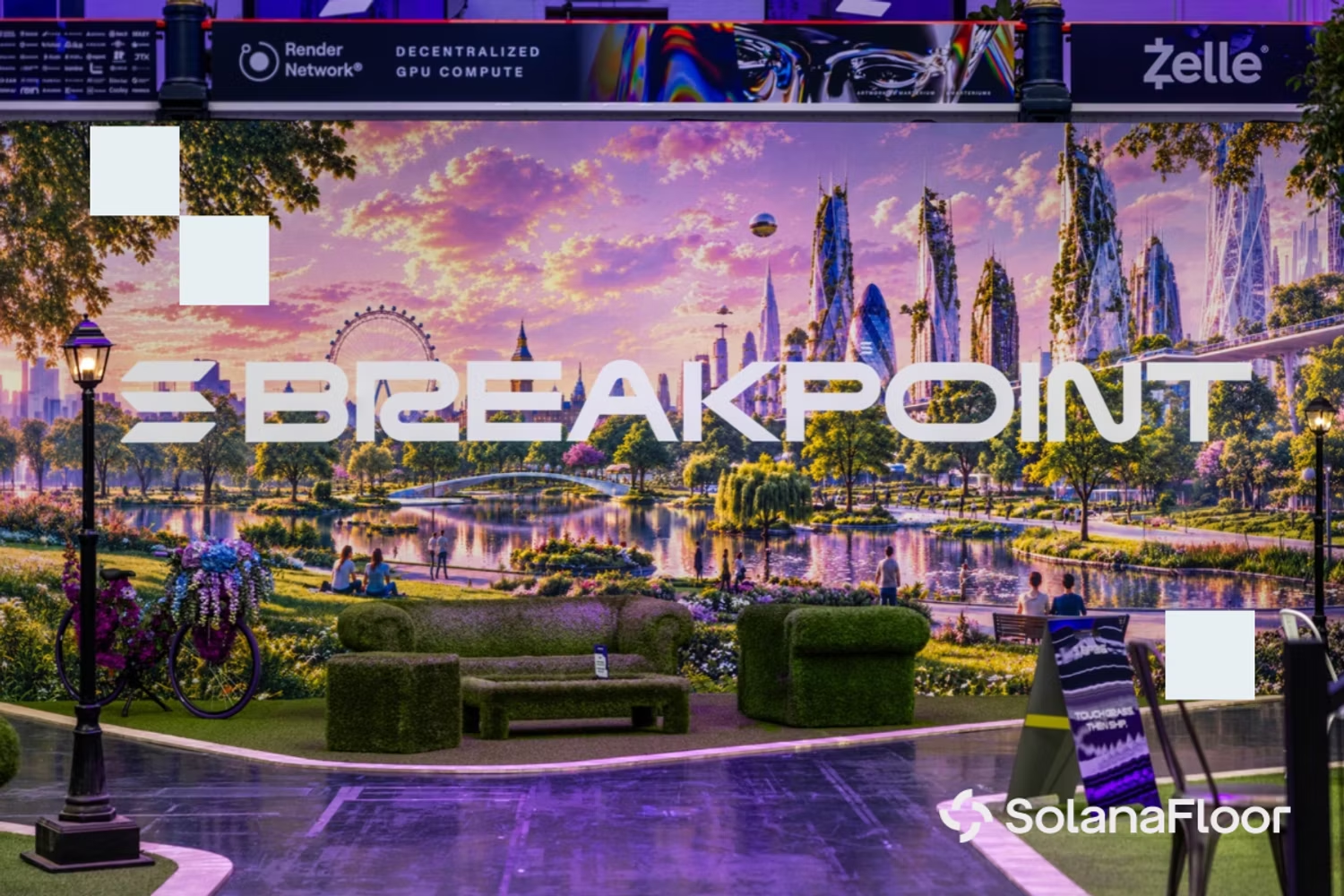
Nick Ducoff of the Solana Foundation said the central theme emerging from this year’s Solana Breakpoint was a “tokenization super cycle,” with major institutions bringing financial products on-chain. He described Solana’s institutional opportunity as connecting internet users with the world’s productive assets.
Tokenization Takes Center Stage
Ducoff pointed to activity from JPMorgan, BNY and BlackRock as examples of institutions tokenizing products and making them available to on-chain customers through the Solana Network. His comments framed tokenization not as a niche crypto application, but as a potential bridge between traditional financial markets and a global digital user base.
The Solana Foundation executive said the network currently has approximately 2 million daily active users. Looking further ahead, he described an ambition to serve all 6.5 billion people connected to the internet.
That scale would require Solana to support both retail-facing applications and the operational demands of large financial institutions. Ducoff’s remarks suggest the foundation sees those use cases as complementary: institutional assets can expand the network’s utility, while a broad user base can create demand for tokenized products.
DTC Connection Signals Institutional Confidence
Ducoff also highlighted the Depository Trust & Clearing Corporation, or DTC, which he described as the world’s largest post-trade infrastructure provider. He said DTC connecting its “pipes” to Solana would initially bring Russell 2000 equities to users through entitlements on the network.
The reference is significant because DTC sits at a critical point in the traditional securities market. Ducoff argued that its choice of Solana reflects the network’s maturation and institutional-grade characteristics, citing:
- Liveness, or the ability to remain operational;
- Security for financial infrastructure and transactions; and
- Scalability to support larger volumes and broader participation.
He presented DTC’s involvement as part of a wider pattern in which institutions are evaluating Solana as a venue for real-world asset infrastructure. The comments did not provide a timetable or additional technical details for the Russell 2000-related connectivity, but they underscored the direction of the foundation’s institutional narrative.
What This Means
The Breakpoint takeaways reinforce Solana’s push beyond crypto-native trading and payments toward tokenized securities and institutional settlement infrastructure. If the relationships described by Ducoff develop into sustained on-chain activity, they could bring new assets, users and transaction demand to the network.
For markets, the main implication is strategic rather than immediate: institutional validation may strengthen Solana’s position among competing blockchains seeking to host tokenized real-world assets. Execution will remain crucial, particularly around compliance, reliability and user access, but the combination of 2 million daily active users and potential institutional connectivity gives Solana a clear growth narrative for the tokenization cycle.