














Institutional Tokenization Moves Toward Production as Solana Gains Share
Hivemind’s Matt Zhang and AVAX One’s Pete Wylie say the next phase of tokenized assets will depend on distribution, liquidity and real-world utility—not simply issuing more assets onchain.
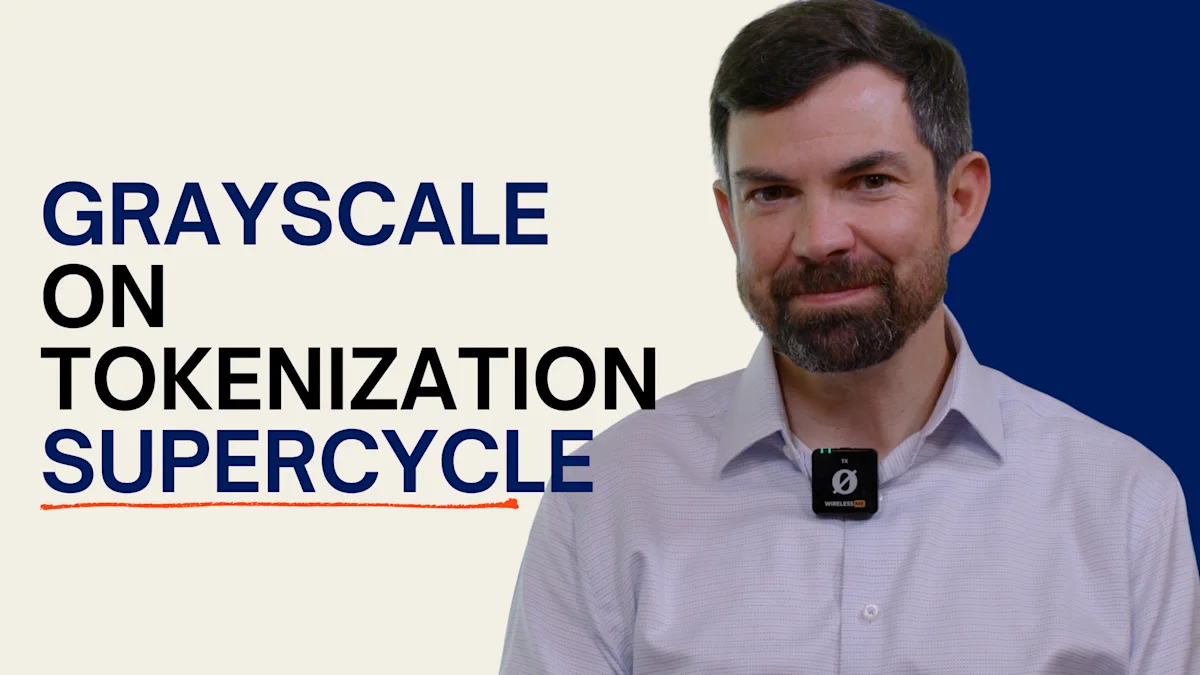
Institutional tokenization is moving beyond pilots and into production, according to Hivemind Capital founder Matt Zhang and AVAX One interim CEO Pete Wylie. Their comments point to a more competitive multi-chain market in which Solana, alongside BNB Chain, Stellar and Avalanche, is gaining ground against Ethereum.
A Broader Multi-Chain Market
The value of distributed tokenized assets has nearly doubled over the past year as more financial institutions integrate blockchain infrastructure. Ethereum remains the market leader, with more than $17 billion in distributed tokenized value, but its share has fallen from above 60% at the start of 2026 to below 45%.
Other networks have recorded triple-digit percentage gains, including Solana. Zhang said the market is unlikely to become winner-takes-all, arguing that institutions are selecting infrastructure according to the requirements of individual applications rather than concentrating exclusively on the largest existing liquidity pool.
That approach could benefit Solana in use cases requiring high throughput, low transaction costs and access to established onchain markets. However, institutional adoption will also depend on compliance tools and flexible deployment models, including permissioned environments and protections for sensitive information.
From Issuance to Utility
Franklin Templeton leads traditional financial institutions by tokenized asset value, with $2.56 billion in deployments. BlackRock ranks second, supported largely by its $2.2 billion BUIDL money-market fund, most of which is deployed across Solana, Avalanche and Ethereum.
The distribution of institutional activity remains concentrated:
- Only six leading institutions have surpassed $500 million in tokenized assets.
- Only 11 institutions have exceeded $100 million.
- Most major U.S. financial institutions now have a tokenization strategy or active pilot.
Zhang and Wylie said the immediate bottleneck is no longer explaining blockchain to financial institutions or creating tokenized representations of assets. The larger challenge is making those assets productive once they are onchain.
Wylie pointed to Avalanche as an example: it ranks fifth by distributed real-world asset value but third by represented value, which includes assets confined to an issuer’s own platform. He described that limited distribution as a sensible first step for regulated institutions, but said the next phase requires broader access and utility.
What This Means
For Solana, the opportunity is to convert growing tokenized asset activity into deeper liquidity, collateral use, settlement flows and applications. The network’s presence in BUIDL gives it an institutional reference point, but sustained growth will require interoperability and compliance infrastructure alongside fast, inexpensive transactions.
The potential market is substantial. Citigroup has estimated tokenized assets could reach $8.2 trillion by 2030, with treasuries, money-market products, public securities, private credit, funds, payments and settlement among the leading growth areas. Even modest migration from these large traditional markets could materially expand Solana’s institutional footprint, provided tokenized assets become usable financial building blocks rather than passive onchain records.